Beans, Honestly
Beans are inexpensive, filling and easy to forget about. A friendly look at how to keep them in regular rotation without a recipe binder.
Canned, dried, and what's the difference
Canned beans are cooked and ready to go. You open the can, drain them, and they're ready to eat. Dried beans are the same food before cooking, and they need soaking and simmering. Both are beans. Both count.
If the idea of eating more beans feels like a chore, canned is the easy place to start. There's no planning, no overnight soak, and no pot to watch. Dried beans take more time, but they're handy when you want a bigger batch, a firmer or creamier texture, or more control over how salty they are.
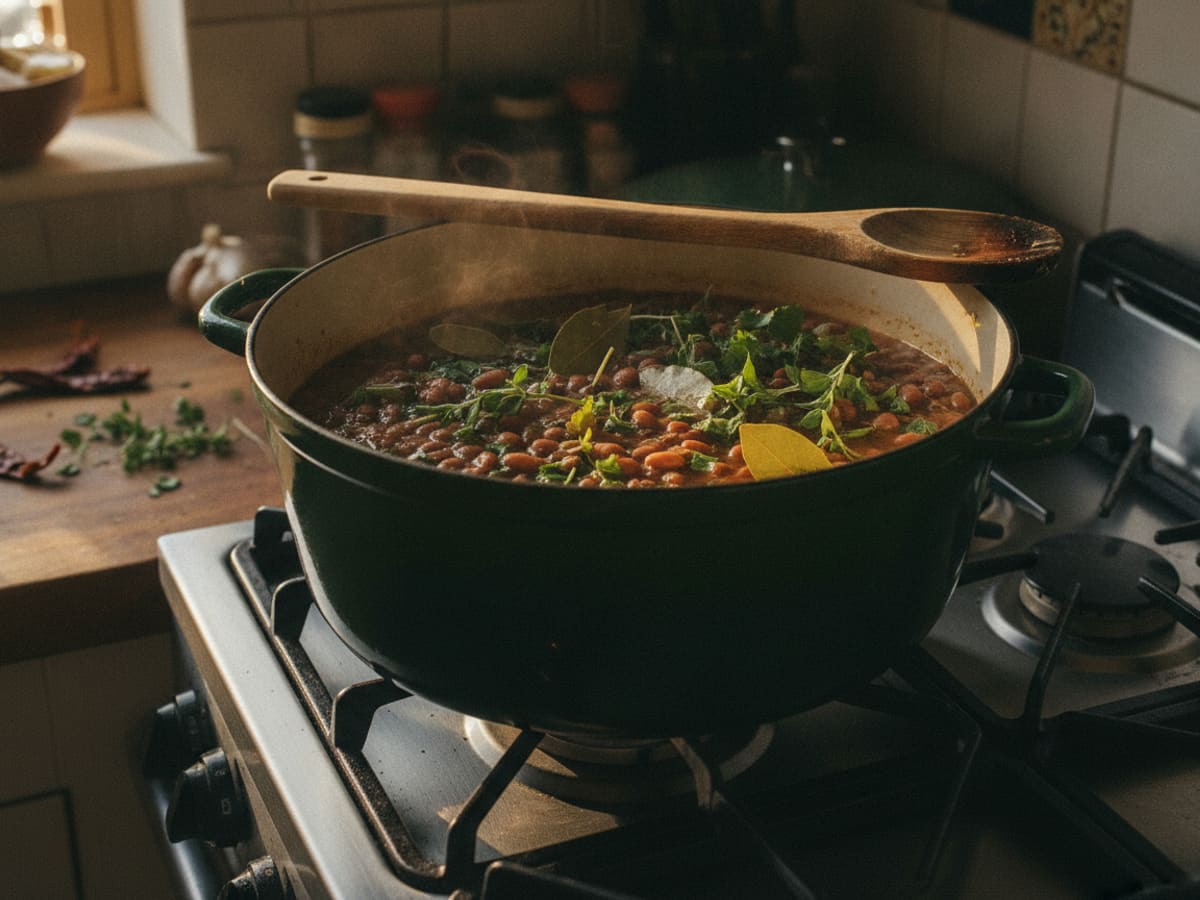
You don't have to pick a side. Plenty of people keep canned beans for weeknights and cook a pot of dried ones on a slow Sunday. A pot of cooked beans keeps in the fridge for several days and freezes well in small portions, so one afternoon of simmering can cover a lot of meals.
Rinsing and seasoning basics
Canned beans come packed in a liquid that can be quite salty and a little slimy. Draining and rinsing them in a colander under cool water takes about thirty seconds and gives you a cleaner flavor and a bit less sodium. If a recipe wants a thicker, creamier result, you can keep some of the liquid, but rinsing is a good default.
Beans are mild, which is the point. They take on whatever you give them. A few reliable ways to wake them up:
- Warm them in a pan with olive oil, garlic, and a pinch of salt.
- Add something acidic at the end, like lemon juice or a splash of vinegar.
- Stir in dried herbs or spices such as cumin, smoked paprika, or oregano.
- Finish with something fresh, like chopped parsley, scallions, or cilantro.
If you're cooking dried beans, add salt during cooking or soon after. Simmer them gently rather than boiling hard, since a hard boil can split the skins. They're done when they're tender all the way through, so taste a few as you go.
Adding beans to things you already make
The easiest way to eat more beans is to stop thinking of them as a separate dish. Fold them into food you already like and let them quietly join the meal.
Here are some low-effort ideas:
- Stir a cup of rinsed beans into soup or chili near the end of cooking.
- Toss them into a green salad or grain bowl for something more filling.
- Mash them lightly and spread them on toast or inside a wrap or quesadilla.
- Add them to pasta with some greens and a little olive oil.
- Mix them into scrambled eggs or a breakfast hash.
- Blend them with garlic, lemon, and oil into a quick dip.
You can also stretch ground meat dishes, like tacos or meatballs, by mixing in mashed beans. Nobody has to give anything up. You're just making room for more variety on the plate.
Making peace with the digestive question
Yes, beans can cause gas for some people. It's common, and it's usually not a sign that anything is wrong. Beans contain fibers and starches that your gut bacteria ferment, and that process can make gas. For many people, the body adjusts with regular, gradual exposure.
A few practical things people find helpful:
- Start with small portions, like a few spoonfuls, and build up over a few weeks.
- Rinse canned beans well.
- If you're using dried beans, soak them and pour off the soaking water before cooking with fresh water.
- Cook them until they're fully soft.
- Drink water through the day, especially as you eat more fiber.
- Chew slowly and give yourself time to eat.
Different beans sit differently with different people. Lentils and split peas cook quickly and some find them gentler than larger beans, so it can be worth experimenting to see what works for you.
A pantry that's ready for a quick bowl
A little preparation makes beans an easy default rather than a plan. Keep a few things on hand and a decent meal is never far away.
Stock a couple of types of canned beans, such as black beans, chickpeas, or white beans. Add a few flavor helpers: olive oil, garlic, onions, a jar of salsa, some vinegar or a lemon, and a few favorite spices. Rice, small pasta, or tortillas make a fast base.
With that setup, a quick bowl might look like this: warm rinsed beans with garlic and spices, spoon them over rice, and top with salsa and whatever greens or leftovers you have. Or simmer white beans with a little broth, add some chopped greens, and finish with lemon.
None of this has to be fancy. Eating more beans comes down to making them easy to reach, one ordinary meal at a time.