The Afternoon Snack Is Not a Moral Issue
Mid-afternoon hunger is ordinary, and it doesn't need guilt. Here's a calmer way to think about what, and whether, to eat between lunch and dinner.
Why hunger shows up when it does
Short answer: no, it isn't bad. Being hungry at three o'clock is one of the most ordinary things a body does.
Think about the timing. If you ate lunch around noon, three hours later is a perfectly reasonable time for your stomach to start sending signals. Most people don't eat on a schedule that matches their appetite exactly. They eat when the calendar allows, and then their body does what it does.
Hunger isn't a verdict on your character or your lunch choices. It's information. Your body uses energy all day, from thinking, moving, and simply keeping you going, and it asks for more when it's ready.
Other things can nudge the timing, too. A poor night of sleep, a stressful morning, a long meeting with no break, or a warm day can all change how hungry you feel. So can the plain fact that some days you're more active than others.
Looking at what lunch actually was
If the three o'clock hunger feels sharp or sudden, it can help to look back at lunch with curiosity rather than blame.
Some questions worth asking:
- Was it a full meal, or something quick eaten at your desk?
- Did it have some variety, such as a mix of foods rather than just one kind?
- Did you eat it slowly enough to notice it, or was it a race between emails?
- Did you eat later or earlier than usual?
A small lunch, a rushed lunch, or a lunch skipped in favor of a busy day will often lead to an earlier appetite. That's not a flaw in you. It's just cause and effect.
Meals that include a few different kinds of foods, like something with protein, some fiber-rich foods, and a bit of fat, tend to feel more lasting for many people. But there's no perfect formula, and bodies differ. If your lunch was light and you're hungry, the simplest explanation is usually the right one.
Snacks that feel like a small meal
A snack doesn't have to be a "treat" or a "guilty" thing. It can simply be a small meal that bridges the gap until dinner.
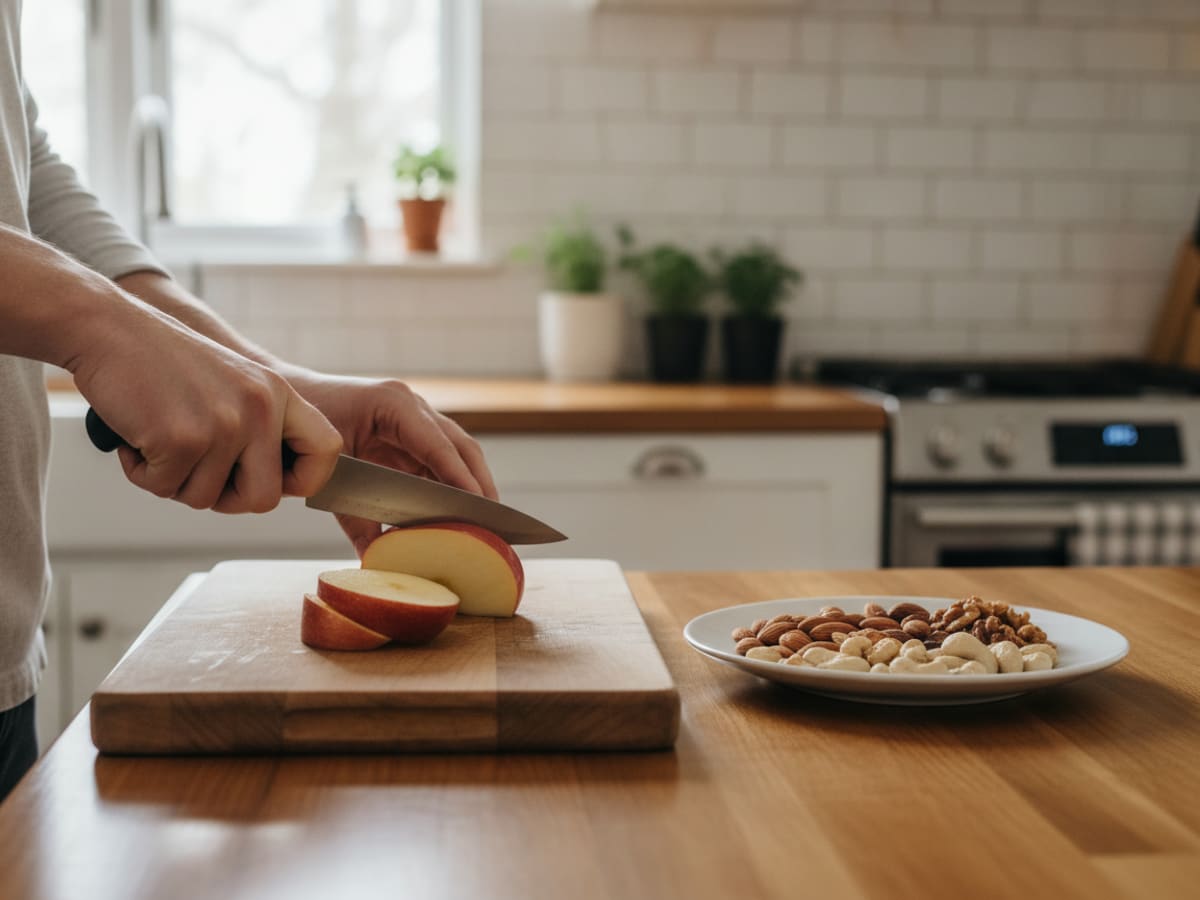
The idea is to pick something with a bit of substance. Pairing foods often works well, since it gives you more than one thing to enjoy and more staying power. A few ideas:
- Apple slices with nut butter
- Yogurt with fruit or a handful of oats
- Whole-grain crackers with cheese
- Hummus with raw vegetables or pita
- A hard-boiled egg and a piece of fruit
- A small sandwich, half of what you'd normally make
- Leftovers from last night's dinner, in a smaller portion
If you have allergies, a medical condition, or specific dietary needs, adjust these to fit you.
It also helps to sit down for a few minutes with your snack, instead of eating straight from the bag while you scroll. Snacks eaten with a little attention tend to be more satisfying, and you're more likely to notice when you've had enough.
When it's boredom, and when it isn't
Sometimes the three o'clock urge isn't about your stomach at all. The afternoon can be a slump, a stretch of repetitive work, or a moment when you want a break. Wanting a pause is completely human.
Here's a gentle way to check in:
- Pause and take a slow breath.
- Ask yourself where you feel the hunger. Is it in your stomach, or is it more of a restless pull?
- Ask whether a plain, simple food, like an apple or some toast, sounds good.
- If it does, you're probably hungry. If only one specific food sounds appealing, that may be a craving, which is also okay.
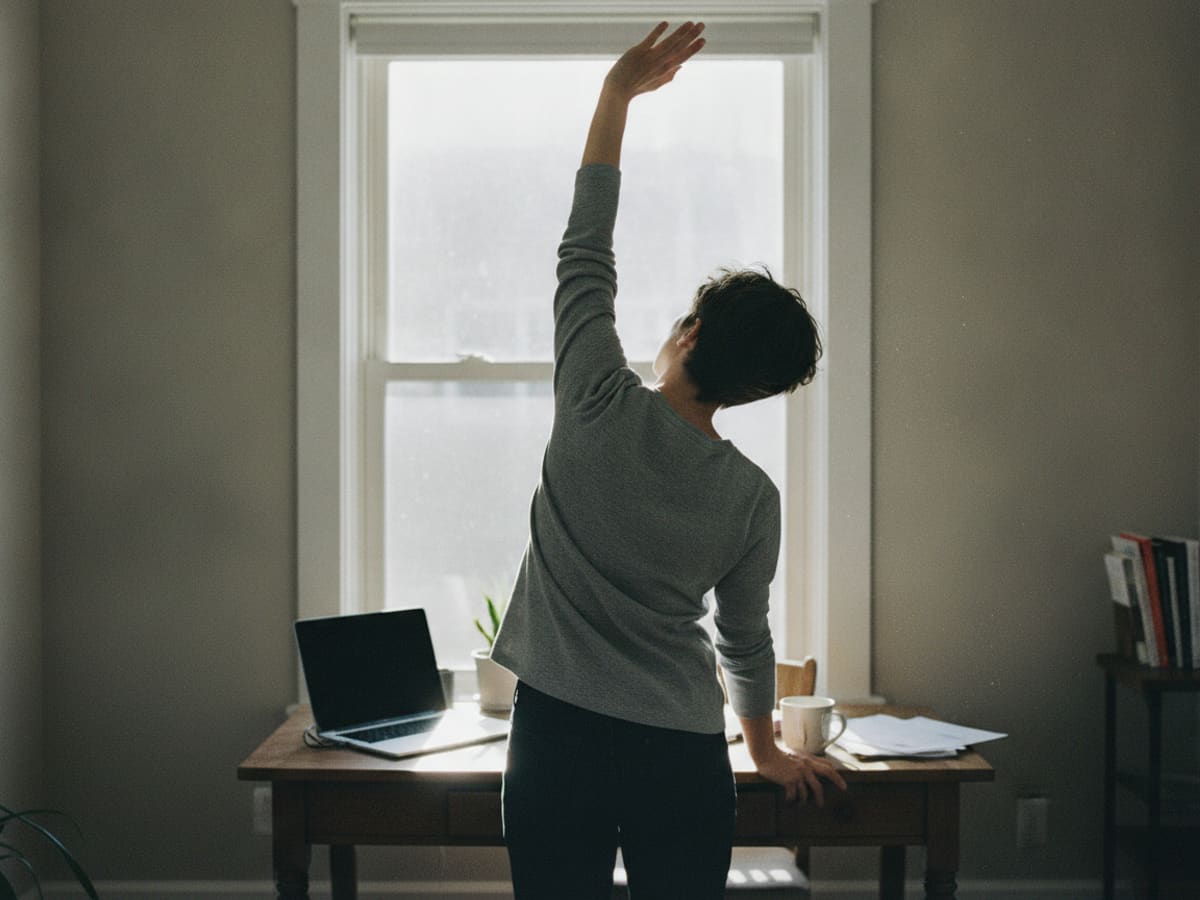
- If nothing sounds good, try a glass of water, a short walk, or a stretch, and see how you feel in a few minutes.
None of these answers is wrong. Sometimes you'll be both bored and hungry. Sometimes you'll just want a cookie, and eating one is allowed. The point of the check-in isn't to catch yourself doing something bad. It's to understand what you need so you can respond kindly.
Letting an afternoon snack be normal
Many cultures build a mid-afternoon bite right into the day, whether it's tea with something small or a quick break with coffee. It's a long-standing habit for good reason: the gap between lunch and dinner can be long.
If you've been treating your afternoon hunger as a problem to fix, consider letting it off the hook. Plan for it instead. Keep something you like at home or in your bag so you aren't scrambling. Eat it without commentary. Then get back to your day.
Food is not a test you pass or fail. A snack at three o'clock is simply part of eating regularly, and it can be one of the more pleasant moments of the afternoon.